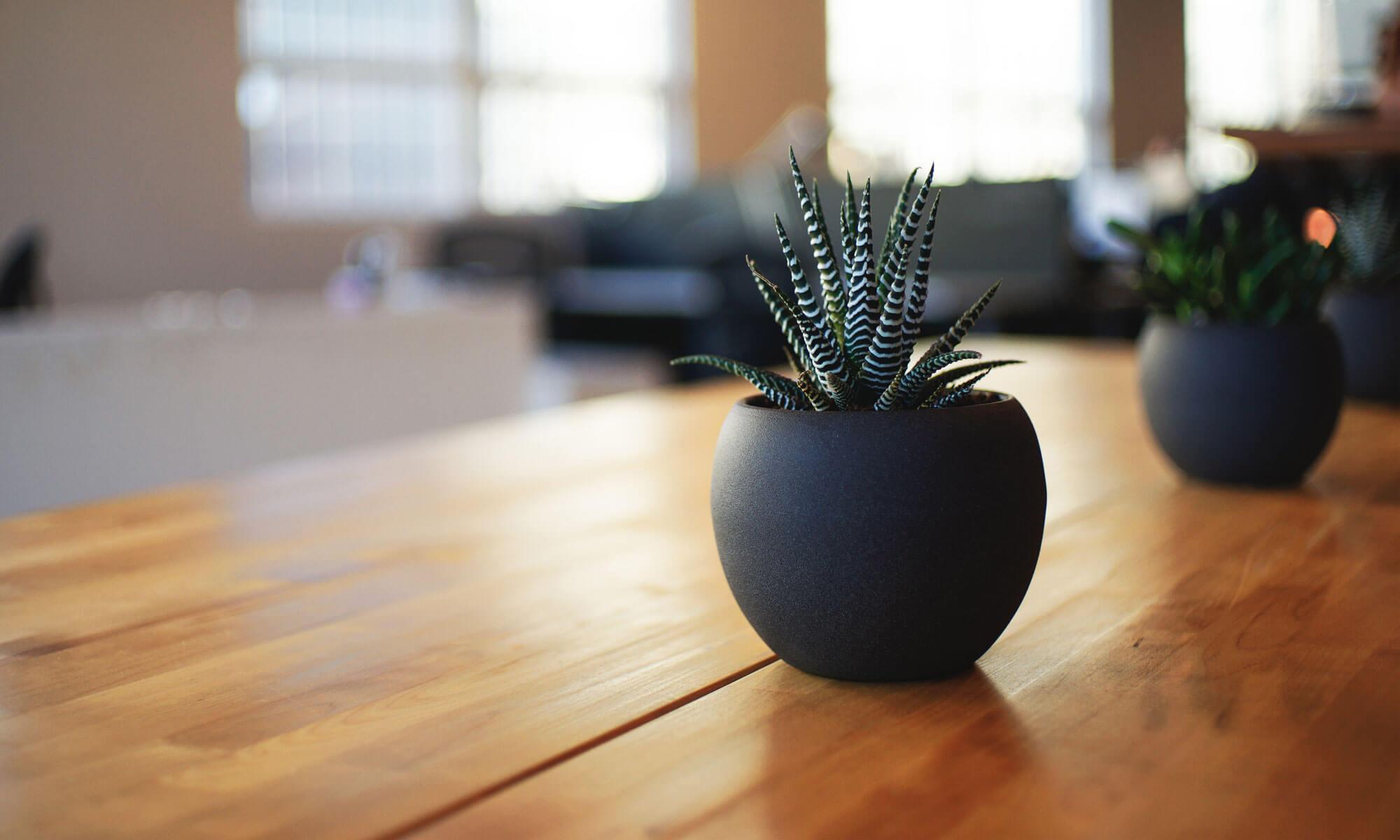
- Detailed pottery and ceramics await discovery at https://thepacificspins-canada.ca with beautiful artistry
- The Evolution of Ceramic Techniques
- Understanding Different Firing Processes
- Exploring Styles and Aesthetics in Ceramics
- The Influence of Cultural Traditions
- The Role of Pottery in Modern Interior Design
- Integrating Ceramics with Different Design Styles
- Supporting Ceramic Artists and Sustainable Practices
- The Future of Ceramics: Innovation and Exploration
Detailed pottery and ceramics await discovery at https://thepacificspins-canada.ca with beautiful artistry
The world of handcrafted pottery and ceramics is experiencing a vibrant resurgence, with individuals seeking unique, artisanal pieces to enrich their homes and lives. At the heart of this movement, particularly in Canada, lies a dedication to both traditional techniques and innovative design. For those seeking to explore and acquire exceptional ceramic artistry, https://thepacificspins-canada.ca presents a curated collection that celebrates the skill and creativity of numerous talented artisans. The website acts as a pivotal link between creators and collectors, fostering an appreciation for the enduring beauty of handmade ceramics.
The appeal of pottery and ceramics extends beyond mere aesthetics. It's about connecting with a piece's history, the artist's vision, and the tactile quality of the clay itself. Whether it's a simple mug for your morning coffee, a decorative vase to brighten a room, or a complex sculptural piece, these objects bring a sense of warmth and individuality to any space. The diverse range of styles, glazes, and forms available ensures there’s something to appeal to every taste and preference, and platforms like the one offered at https://thepacificspins-canada.ca make discovering these treasures easier than ever before. The growing interest in sustainable and ethically sourced products further fuels the demand for handcrafted items, as consumers increasingly prioritize quality and provenance.
The Evolution of Ceramic Techniques
Ceramic artistry boasts a rich history spanning millennia, with each culture developing its unique techniques and styles. From the earliest hand-built pottery to the sophisticated wheel-thrown vessels of ancient Greece and Rome, the evolution of ceramic techniques reflects human ingenuity and our evolving relationship with materials. The discovery of glazes, initially accidental, revolutionized the field, allowing for a wider range of colors and finishes. Today, modern ceramic artists continue to build upon these traditions, experimenting with new materials, firing methods, and design concepts. Advanced kiln technologies, like electric and gas kilns, provide greater control over the firing process, enabling artists to achieve precise and consistent results.
Understanding Different Firing Processes
The firing process is critical to the final outcome of any ceramic piece. Different firing methods yield vastly different results, influencing the color, texture, and durability of the finished product. For example, raku firing, a rapid firing and cooling technique, produces unpredictable and often dramatic effects, with vibrant, metallic glazes. Wood firing, a more traditional method, imparts a unique character to the ceramics, as the wood ash interacts with the glaze and clay body. Electric firing offers precise temperature control and is well-suited for replicating specific glaze effects. Understanding these different processes is essential for appreciating the nuances and complexities of ceramic art. The choice of firing method often dictates the aesthetic qualities and intended use of the piece.
| Firing Method | Temperature Range (°C) | Characteristics | Typical Uses |
|---|---|---|---|
| Earthenware | 800-1100 | Porous, relatively soft, requires glaze for waterproofing | Flower pots, decorative tiles |
| Stoneware | 1200-1300 | Durable, non-porous, suitable for functional ware | Dinnerware, mugs, vases |
| Porcelain | 1200-1400 | Translucent, very strong, refined texture | Fine china, sculptures |
The specific temperature ranges and characteristics are indicative, and can vary based on the clay body and glaze composition used. Selecting the appropriate firing method and materials is a critical step in achieving desired artistic effects.
Exploring Styles and Aesthetics in Ceramics
The world of ceramics encompasses a vast array of styles and aesthetics, reflecting diverse cultural influences and artistic visions. From the minimalist elegance of Japanese wabi-sabi pottery, which embraces imperfection and natural beauty, to the bold and colorful designs of Mexican Talavera pottery, there is a style to suit every taste. Contemporary ceramic artists are pushing the boundaries of the medium, incorporating mixed media, sculptural forms, and innovative glazing techniques. The increasing popularity of functional ceramics, such as handmade tableware, demonstrates a desire for unique and artisanal objects in everyday life. These aesthetically pleasing pieces add a touch of personality and refinement to mealtimes and home décor.
The Influence of Cultural Traditions
Cultural traditions play a significant role in shaping ceramic styles and techniques. For example, Chinese ceramics are renowned for their intricate porcelain designs and sophisticated glazes, developed over centuries of artistic refinement. Korean ceramics are characterized by their natural textures and earthy tones, reflecting a deep connection to the natural world. Italian majolica pottery is known for its vibrant colors and decorative motifs, often depicting historical or mythological scenes. These cultural influences not only enrich the aesthetic diversity of ceramics but also provide valuable insights into the history and values of different societies. Studying these traditions can inspire contemporary artists and broaden our appreciation for the artistry involved.
- Wabi-Sabi (Japan): Embraces imperfection, simplicity, and natural beauty.
- Talavera (Mexico): Vibrant colors, floral and geometric designs, often hand-painted.
- Majolica (Italy): Tin-glazed earthenware, bright colors, narrative scenes.
- Celadon (China): Jade-green glazed stoneware, valued for its subtle beauty.
Each style carries with it a distinct heritage and set of artistic principles, contributing to the rich tapestry of ceramic art. Exploring these different traditions allows us to appreciate the diverse ways in which humans have interacted with clay throughout history.
The Role of Pottery in Modern Interior Design
Pottery and ceramics are increasingly incorporated into modern interior design schemes, adding texture, warmth, and personality to living spaces. They move beyond functional objects and become statements of artistic intent. Handmade ceramics, in particular, offer a unique alternative to mass-produced décor, bringing a sense of authenticity and individual style. From sculptural vases to handcrafted bowls and plates, ceramic pieces can be used to create focal points, complement existing color palettes, and add a touch of artisanal charm to any room. The tactile quality of ceramics also appeals to our senses, creating a more inviting and comfortable atmosphere. Choosing pieces that reflect personal taste and complement the overall design aesthetic can elevate a space from ordinary to extraordinary.
Integrating Ceramics with Different Design Styles
Ceramics can seamlessly integrate with a wide range of interior design styles, from minimalist and modern to rustic and bohemian. In minimalist spaces, a single, well-chosen ceramic vessel can serve as a striking accent piece. In rustic interiors, earthy-toned pottery and stoneware complement natural materials like wood and stone. Bohemian designs embrace the eclectic mix of colors, patterns, and textures, providing an ideal setting for showcasing a diverse collection of ceramics. The key is to choose pieces that complement the overall design aesthetic and create a cohesive look. Experimenting with different textures, shapes, and glazes can add depth and visual interest to any space. Consider the scale and proportion of the ceramics in relation to the surrounding furniture and décor.
- Consider Color Palette: Choose ceramics that complement or contrast with your existing color scheme.
- Play with Texture: Incorporate ceramics with different textures to add depth and visual interest.
- Mix and Match Styles: Combine different ceramic styles to create an eclectic and personalized look.
- Focus on Functionality: Choose ceramic pieces that serve a practical purpose as well as aesthetic appeal.
Strategic placement of ceramic pieces can enhance the overall flow and harmony of a room, creating a welcoming and visually stimulating environment.
Supporting Ceramic Artists and Sustainable Practices
Choosing to purchase handmade ceramics directly supports artists and contributes to sustainable practices. Unlike mass-produced items, handcrafted ceramics are often made in small batches, using locally sourced materials and traditional techniques. This reduces the environmental impact associated with large-scale manufacturing and transportation. By purchasing directly from artists, you are also ensuring that they receive a fair price for their work, allowing them to continue pursuing their craft. Platforms like https://thepacificspins-canada.ca play a vital role in connecting artists with customers and promoting sustainable practices within the ceramics community. Supporting these initiatives helps to preserve traditional skills and foster a more ethical and environmentally responsible approach to art and design. It's a conscious decision that benefits both the artist and the planet.
The Future of Ceramics: Innovation and Exploration
The future of ceramics is brimming with potential for innovation and exploration. Artists are constantly experimenting with new materials, techniques, and technologies, pushing the boundaries of the medium. The integration of digital tools, such as 3D printing, is opening up new possibilities for creating complex and intricate ceramic forms. Research into sustainable materials and firing methods is also gaining momentum, as artists seek to minimize the environmental impact of their work. The growing interest in functional ceramics, combined with a desire for unique and handcrafted objects, suggests a continued demand for high-quality ceramic art. Furthermore, the accessibility offered by online platforms, like those provided by web addresses such as https://thepacificspins-canada.ca, democratizes the access to beautiful pieces for the consumer and gives artists a broader platform. Collaboration between artists and scientists holds immense promise for developing new materials and techniques that will further enhance the possibilities of ceramic art. This interplay will undoubtedly shape the landscape of ceramics for generations to come.
The ongoing dialogue between tradition and innovation will continue to enrich the world of ceramics, ensuring its enduring relevance and appeal. By embracing new technologies while honoring time-honored techniques, ceramic artists are creating a vibrant and dynamic art form that reflects the evolving cultural landscape. The emphasis on sustainability and ethical sourcing will further solidify ceramics' position as a responsible and desirable art form for the future.