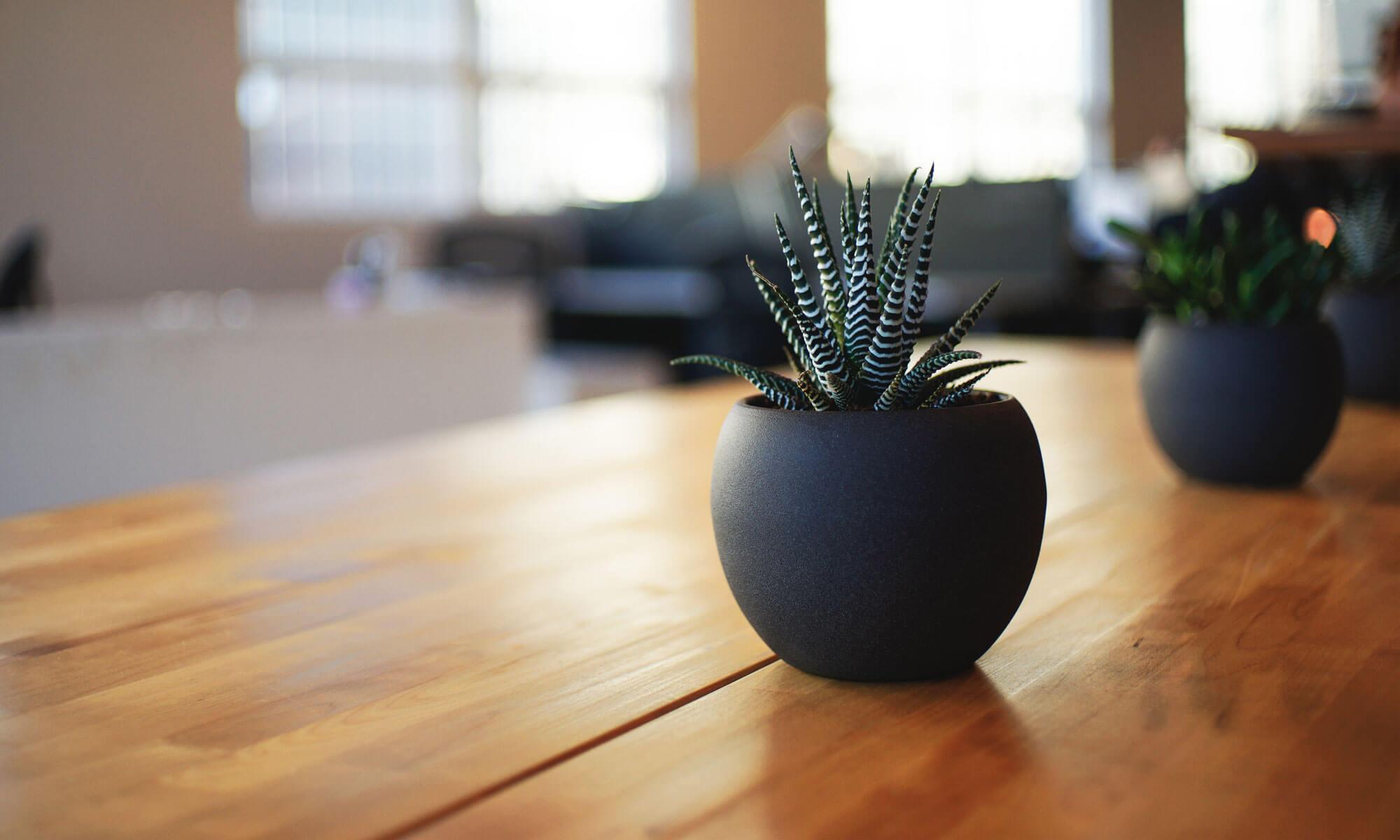
- Vibrant textiles elevate interior spaces with https://incaspins.ca and modern design elements
- The Allure of Handcrafted Textiles
- The Importance of Fair Trade Practices
- Incorporating Textiles into Modern Interior Design
- Textiles as Color Accents
- Choosing Textiles Based on Functionality and Lifestyle
- Considering Material Composition
- The Global Influence on Textile Designs
- Enhancing Wellbeing Through Texture and Tactility
Vibrant textiles elevate interior spaces with https://incaspins.ca and modern design elements
The world of interior design is constantly evolving, with new trends and styles emerging regularly. However, the fundamental desire for comfort, beauty, and self-expression remains constant. Textiles play a pivotal role in achieving these goals, adding texture, color, and personality to any space. Finding the right textiles can be a challenge, requiring a keen eye for quality, design, and ethical sourcing. https://incaspins.ca offers a curated collection of vibrant textiles, designed to elevate interior spaces and complement modern design elements. They specialize in bringing unique, handcrafted pieces to a wider audience.
From luxurious throws and cushions to statement rugs and upholstery fabrics, textiles have the power to transform a room. The right textile can soften harsh lines, add warmth to a cool color scheme, or create a focal point that draws the eye. It’s about more than just aesthetics though; the texture and weight of a fabric can significantly impact the feeling of a space. Consider the practical aspects too – durability, cleanability, and how the textile will interact with light are all important factors when making a selection. This is what sets suppliers like Incaspins apart – a commitment to both aesthetic impact and the functional considerations of living with textiles.
The Allure of Handcrafted Textiles
In a world increasingly dominated by mass production, there's a growing appreciation for the unique beauty and artistry of handcrafted textiles. These pieces aren’t just functional objects; they’re embodiments of tradition, skill, and cultural heritage. Each stitch, dye, and weave tells a story, connecting the owner to the artisans who created it. Handcrafted textiles often possess a level of detail and complexity that is simply impossible to replicate with machine-made alternatives. This dedication to craftsmanship results in pieces that are truly one-of-a-kind. The subtle variations in color, texture, and pattern contribute to their charm and authenticity. Choosing handcrafted textiles represents a conscious decision to support ethical production practices and preserve traditional skills.
The Importance of Fair Trade Practices
When sourcing handcrafted textiles, it’s crucial to consider the ethical implications. Fair trade practices ensure that artisans receive fair wages, safe working conditions, and the opportunity to invest in their communities. Supporting fair trade not only benefits the artisans themselves but also helps to preserve traditional crafts for future generations. It’s important to look for certifications and transparency in the supply chain. Knowing where your textiles come from and how they were made can give you peace of mind and ensure that you’re making a responsible purchase. Many companies are committed to building long-term relationships with artisan groups, fostering sustainable livelihoods and promoting cultural preservation. Choose brands that prioritize people and planet alongside profit.
| Textile Type | Common Materials | Typical Uses | Care Instructions |
|---|---|---|---|
| Kilim | Wool, Cotton | Rugs, Wall Hangings | Professional Cleaning Recommended |
| Ikat | Cotton, Silk | Upholstery, Cushions, Scarves | Gentle Hand Wash or Dry Clean |
| Kantha | Recycled Saris | Quilts, Throw Pillows | Hand Wash or Delicate Cycle |
| Batik | Cotton, Wax Resist Dyeing | Clothing, Wall Art | Hand Wash with Mild Detergent |
The table above offers a quick reference guide to some popular handcrafted textile types, their materials, and suitable applications. Understanding these elements can help when making a selection that aligns with both your aesthetic preferences and the demands of daily use. Attention to care instructions is also vital in preserving the beauty and longevity of these special pieces.
Incorporating Textiles into Modern Interior Design
Modern interior design often emphasizes clean lines, minimalist aesthetics, and a neutral color palette. However, this doesn’t mean that textiles should be an afterthought. Quite the contrary, textiles can be used to add warmth, texture, and personality to a modern space, preventing it from feeling sterile or cold. Strategic placement of throws, cushions, and rugs can soften the hard edges of modern furniture and create a more inviting atmosphere. Consider layering different textures and patterns to add depth and visual interest. A bold patterned rug can anchor a room and serve as a focal point, while textured cushions can add a touch of luxury and comfort. The key is to achieve a balance between simplicity and sophistication.
Textiles as Color Accents
Color plays a significant role in interior design, and textiles are an excellent way to introduce pops of color into a neutral space. Whether you prefer bold and vibrant hues or subtle and earthy tones, there’s a textile to suit your taste. Cushions, throws, and curtains can be easily swapped out to update the look of a room seasonally or to reflect your changing preferences. Don't be afraid to experiment with different color combinations to create a unique and personalized look. Mixing and matching patterns and textures can also add visual interest. Remember to consider the overall color scheme of the room when selecting textiles, ensuring that they complement the existing décor.
- Rugs: Define spaces and add warmth.
- Cushions: Offer comfort and visual interest.
- Throws: Add texture and a cozy touch.
- Curtains: Control light and provide privacy.
- Upholstery Fabrics: Transform furniture pieces.
The versatility of textiles allows for a dynamic and ever-evolving interior. These elements offer an accessible and impactful way to influence the overall mood and character of a space, even with minimal structural changes. Investing in high-quality fabrics ensures longevity and lasting beauty, contributing to a home that feels both stylish and comfortable.
Choosing Textiles Based on Functionality and Lifestyle
When selecting textiles, it’s important to consider the specific function of the space and the needs of the people who will be using it. A living room, for example, will require different textiles than a bedroom or a kitchen. In a high-traffic area, durability and cleanability are paramount. Opt for fabrics that are stain-resistant, fade-resistant, and easy to maintain. In a bedroom, comfort and softness are key considerations. Choose luxurious fabrics like silk, velvet, or cashmere to create a relaxing and inviting atmosphere. For families with young children or pets, practicality should take precedence over aesthetics. Consider choosing fabrics that are easy to clean and won't easily show wear and tear.
Considering Material Composition
The material composition of a textile will significantly impact its performance and longevity. Natural fibers like cotton, linen, and wool are known for their breathability, comfort, and durability. However, they may require more frequent cleaning and are susceptible to shrinking or fading. Synthetic fibers like polyester, acrylic, and nylon are more resistant to stains, wrinkles, and fading, but they may not be as breathable or comfortable as natural fibers. Blends of natural and synthetic fibers can offer the best of both worlds, combining the comfort and breathability of natural fibers with the durability and ease of care of synthetic fibers. Researching the properties of different materials will help you make an informed decision.
- Assess the space: Determine its primary function.
- Consider your lifestyle: Factor in pets, children, and daily use.
- Research materials: Understand the properties of different fabrics.
- Prioritize durability: Choose fabrics that will withstand wear and tear.
- Don't compromise on comfort: Select fabrics that feel good to the touch.
These steps will help to streamline the textile selection process, ensuring that the chosen pieces are both aesthetically pleasing and practical. Thoughtful consideration of these factors will result in a space that is both beautiful and functional.
The Global Influence on Textile Designs
Textile traditions are deeply rooted in cultures around the world, each with its own unique techniques, patterns, and symbolism. From the intricate embroidery of Southeast Asia to the vibrant colors of African wax prints, textiles offer a window into the rich tapestry of human creativity. Exploring these diverse traditions can inspire new design ideas and add a global touch to your interior. Incorporating textiles from different cultures can create a sense of warmth, authenticity, and connection. The patterns and motifs often carry symbolic meaning, adding a layer of depth and storytelling to the space. Understanding the origins and cultural significance of these textiles can enhance your appreciation for their artistry.
The influence of global textile designs is increasingly evident in contemporary interior design. Designers are drawing inspiration from traditional techniques and incorporating them into modern pieces. This fusion of old and new creates a unique and eclectic aesthetic that is both timeless and contemporary. Supporting artisans from around the world not only preserves cultural heritage but also promotes ethical and sustainable practices. Many organizations are working to connect artisans with global markets, ensuring that they receive fair compensation for their work and have the opportunity to share their skills with the world. https://incaspins.ca, for example, frequently collaborates with artisan communities.
Enhancing Wellbeing Through Texture and Tactility
Beyond their aesthetic qualities, textiles have a profound impact on our wellbeing. The texture and tactility of a fabric can evoke a range of emotions and sensations, influencing our mood and creating a sense of comfort and relaxation. Soft, plush fabrics like velvet and cashmere can create a cozy and inviting atmosphere, while crisp, cool fabrics like linen and cotton can promote a sense of calm and serenity. Incorporating a variety of textures into your interior can stimulate the senses and create a more engaging and dynamic space. Think about the feeling you want to create in each room and choose textiles that will help you achieve that goal. The tactile experience of a textile can be incredibly grounding and restorative, offering a welcome respite from the stresses of daily life.
Considering the sensory experience alongside the visual appeal of textiles is integral to creating a harmonious and nurturing living environment. A thoughtfully curated collection of textiles can not only elevate the aesthetics of your home but also enhance your overall sense of wellbeing. Prioritizing natural fibers and handcrafted pieces can further contribute to this sense of connection and grounding. Experimenting with different textures and materials will allow you to discover what feels most comforting and restorative for you, tailoring your space to truly support your needs.