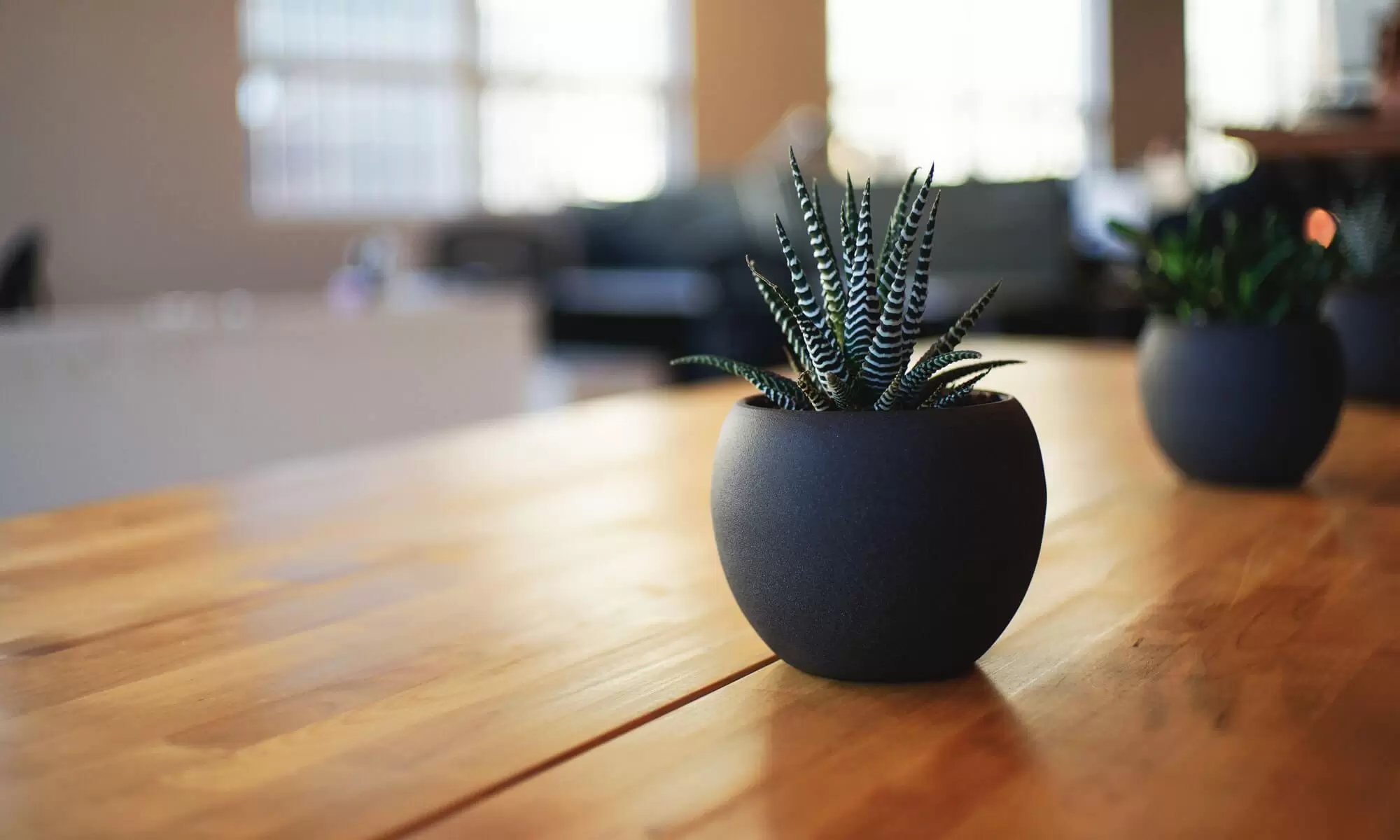
- Elegant interiors and thebonrush-uk.uk redefine contemporary home aesthetics
- The Evolution of Contemporary Interior Design
- The Role of Lighting in Modern Spaces
- The Importance of Texture and Materiality
- The Appeal of Natural Stone and Wood
- Developing a Cohesive Color Palette
- Using Accent Colors Effectively
- Incorporating Sustainable and Ethical Practices
- Future Trends in Elegant Interior Design – and the Role of Platforms Like thebonrush-uk.uk
Elegant interiors and thebonrush-uk.uk redefine contemporary home aesthetics
Creating a beautiful and functional home is a desire shared by many, and achieving a contemporary aesthetic often requires careful consideration of interior design elements. From furniture selection to color palettes and lighting, every detail plays a crucial role in shaping the overall ambiance of a living space. Increasingly, homeowners are turning to online resources for inspiration and sourcing of quality interior pieces. One such resource gaining recognition is thebonrush-uk.uk, a platform dedicated to providing elegant and stylish interiors.
The pursuit of a perfectly designed home is a journey of personal expression, reflecting individual tastes and lifestyles. It’s about more than just filling a space with objects; it’s about creating an environment that nurtures well-being and encourages connection. Modern interior design emphasizes clean lines, natural materials, and a sense of spaciousness. Achieving this balance often involves a thoughtful blend of form and function, ensuring that a home is not only visually appealing but also practical and comfortable for daily living. Finding the right pieces, especially those that encapsulate a specific aesthetic, can be challenging, and that’s where platforms like thebonrush-uk.uk step in, offering curated collections and design guidance.
The Evolution of Contemporary Interior Design
Contemporary interior design has evolved significantly over recent decades. Initially, it was heavily influenced by minimalist principles, prioritizing functionality and a reduction of clutter. However, modern iterations showcase a greater embrace of texture, color, and personalization. There's a shift toward incorporating natural elements, such as wood, stone, and plants, to create warmer and more inviting spaces. This trend responds to a growing desire for homes that feel connected to the outdoors and promote a sense of tranquility. Furthermore, sustainable and ethically sourced materials are becoming increasingly important to consumers, driving demand for eco-friendly furniture and décor. The incorporation of smart home technology is also a key characteristic of contemporary design, offering enhanced convenience and control over the living environment.
The Role of Lighting in Modern Spaces
Lighting plays a pivotal role in shaping the mood and functionality of any interior space, and its importance is magnified in contemporary design. Layered lighting schemes, combining ambient, task, and accent lighting, are essential for creating depth and visual interest. Natural light should be maximized whenever possible, with sheer curtains or blinds used to diffuse harsh sunlight. In the absence of abundant natural light, artificial lighting can be used to mimic daylight, creating a bright and airy atmosphere. LED lighting is a popular choice for its energy efficiency and versatility, allowing for a wide range of color temperatures and dimming options. Statement lighting fixtures, such as pendant lights or floor lamps, can also serve as focal points, adding a touch of personality and style to a room.
| Design Style | Key Characteristics |
|---|---|
| Minimalist | Clean lines, neutral colors, functionality |
| Scandinavian | Simplicity, natural light, cozy textures |
| Industrial | Exposed brick, metal accents, reclaimed materials |
| Mid-Century Modern | Organic shapes, bold colors, retro feel |
Choosing the right lighting is not merely about illumination; it's about sculpting the atmosphere and enhancing the overall design aesthetic. A well-lit space feels more welcoming, spacious, and inviting, contributing significantly to the comfort and enjoyment of the home.
The Importance of Texture and Materiality
Beyond color and form, texture and materiality are fundamental aspects of contemporary interior design. Incorporating a variety of textures – from the smooth coolness of marble to the rough warmth of wood – adds depth and visual interest to a space. The selection of materials should reflect both aesthetic preferences and practical considerations. Natural materials, such as linen, cotton, and wool, are favoured for their comfort and breathability, while materials like metal and glass can add a touch of sophistication and modernity. The interplay of different textures and materials creates a dynamic and engaging environment, appealing to both the eye and the touch. It's a key element in transitioning a room from simply decorated to thoughtfully designed.
The Appeal of Natural Stone and Wood
Natural stone and wood continue to be popular choices for contemporary interiors, largely due to their inherent beauty and durability. Wood adds warmth and organic texture, while stone provides a sense of grounding and permanence. Both materials can be used in a variety of applications, from flooring and wall cladding to furniture and decorative accents. Sustainable sourcing is an increasingly important consideration when selecting these materials. Choosing wood from responsibly managed forests and stone from local quarries can minimise environmental impact. The natural variations in grain and color add character and uniqueness to each piece, making them a timeless addition to any home.
- Wood flooring offers a classic and versatile foundation for any room.
- Stone countertops add a touch of luxury and sophistication to kitchens and bathrooms.
- Wood furniture provides warmth and comfort, while stone accents add visual interest.
- Natural materials promote a sense of well-being and connection to nature.
The inherent qualities of these materials – their texture, color, and durability – contribute significantly to the overall aesthetic and functionality of a contemporary interior. They offer a timeless appeal that transcends fleeting trends.
Developing a Cohesive Color Palette
A well-chosen color palette is essential for creating a harmonious and inviting interior. Contemporary design often favours neutral tones, such as white, grey, and beige, as a base, allowing for pops of color to be introduced through furniture, artwork, and accessories. The key is to maintain a sense of balance and cohesion, ensuring that colors complement each other and create the desired mood. Consider the psychological effects of color – for example, cool tones like blue and green can promote relaxation, while warm tones like red and orange can energize a space. Testing paint samples in different lighting conditions is crucial to ensure that the chosen colors appear as intended.
Using Accent Colors Effectively
Accent colors can be used strategically to add personality and visual interest to a space. A single bold color can be used to draw attention to a particular feature, such as a fireplace or a piece of artwork. Alternatively, a combination of complementary colors can be used to create a dynamic and engaging scheme. It’s vital not to overdo it, as too many accent colors can create a cluttered and overwhelming effect. Consider the existing colors in the room – furniture, flooring, and wall finishes – and choose accent colors that complement these elements. A little can go a long way in adding a touch of character and style.
- Start with a neutral base and add accent colors gradually.
- Choose colors that complement each other and the existing décor.
- Use accent colors to highlight focal points and create visual interest.
- Test paint samples in different lighting conditions.
Developing a cohesive color palette is about careful planning and attention to detail, ultimately resulting in a space that is both aesthetically pleasing and emotionally comforting.
Incorporating Sustainable and Ethical Practices
Increasingly, homeowners are prioritizing sustainability and ethical considerations when designing their interiors. This includes choosing furniture and décor made from recycled or renewable materials, supporting brands that prioritize fair labor practices, and reducing waste through mindful consumption. Sustainable design is not only environmentally responsible but can also enhance the aesthetic appeal of a home. Natural materials, such as bamboo, cork, and reclaimed wood, offer a unique and eco-friendly alternative to traditional materials. Investing in high-quality, durable pieces that will last for years is also a sustainable practice, reducing the need for frequent replacements. Furthermore, incorporating energy-efficient appliances and lighting can significantly reduce a home's carbon footprint.
Future Trends in Elegant Interior Design – and the Role of Platforms Like thebonrush-uk.uk
The future of interior design points towards greater personalization, integration of technology, and a continued emphasis on sustainability. We can anticipate a rise in biophilic design, which focuses on connecting people with nature through the incorporation of natural elements and patterns in the built environment. Smart home technology will become increasingly sophisticated, allowing for greater control over lighting, temperature, and security. Moreover, the demand for multi-functional spaces will continue to grow, as homes adapt to accommodate changing lifestyles. Platforms like thebonrush-uk.uk will play an important role in facilitating these trends by offering curated selections of sustainable, stylish, and technologically advanced interior pieces. By providing access to a diverse range of products and design inspiration, thebonrush-uk.uk empowers homeowners to create spaces that are both beautiful and functional, reflecting their individual values and aspirations.
The evolution of home design is a continuing story. Consumers are seeking authenticity and spaces that truly resonate with their personal styles. The quest for elegant, comfortable, and sustainable interiors remains paramount, and the options available continue to expand, making the dream home attainable for more individuals than ever before. Resources dedicated to curating quality pieces like those found on thebonrush-uk.uk will only become more crucial in navigating this landscape and crafting interiors that stand the test of time.