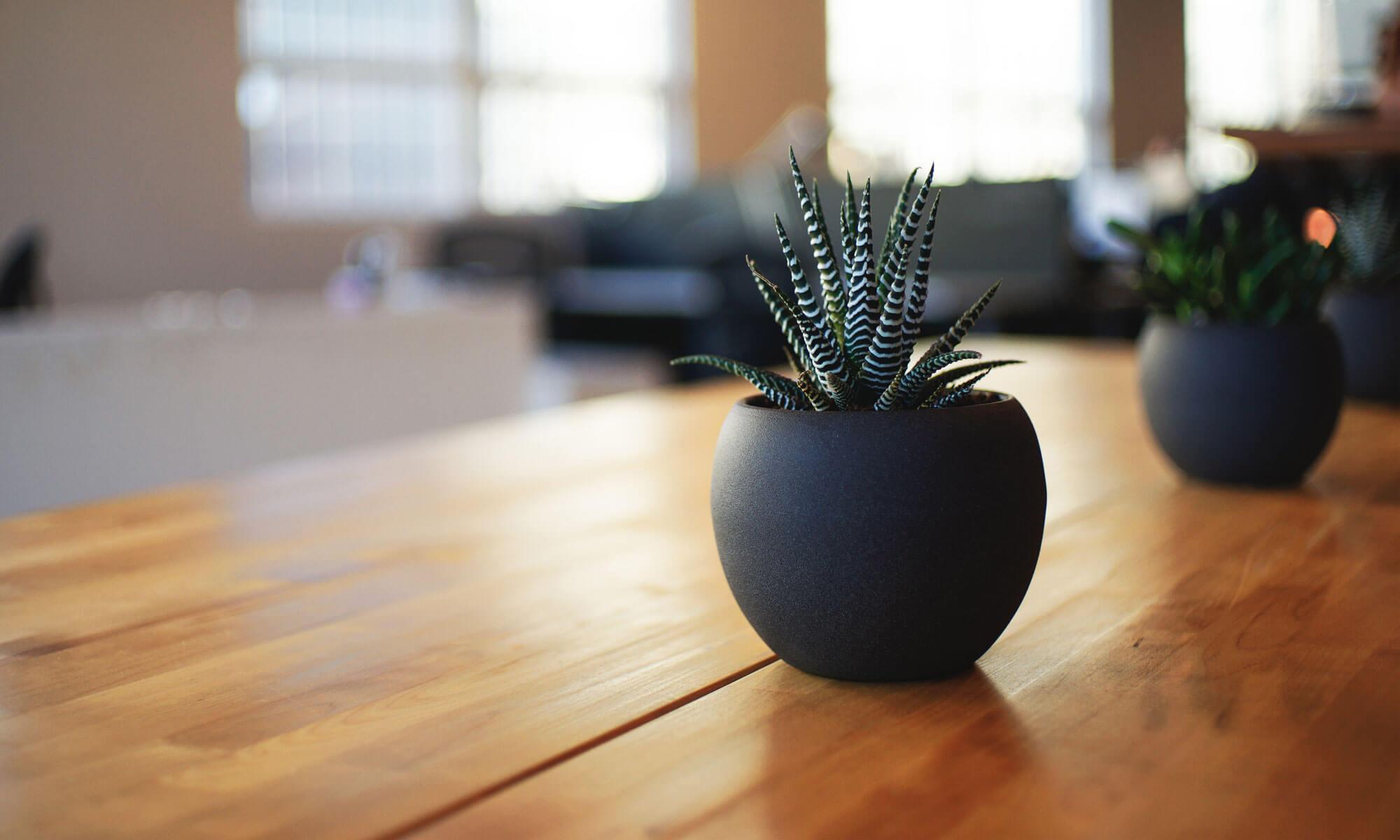
- Wonderful textures and casoolas.eu elevate contemporary living spaces seamlessly
- The Significance of Texture in Modern Interior Design
- Achieving Textural Harmony
- The Role of Online Platforms in Sourcing Interior Materials
- Navigating the Digital Landscape
- The Importance of Sustainable and Ethical Sourcing
- Identifying Sustainable Options
- The Impact of Lighting on Texture Perception
- Expanding Interior Horizons: The Future of Material Selection
Wonderful textures and casoolas.eu elevate contemporary living spaces seamlessly
In the realm of interior design, the seamless integration of quality materials and innovative online platforms is paramount. The modern homeowner seeks not just aesthetically pleasing elements, but also convenience and reliability in sourcing them. casoolas.eu stands as a testament to this pursuit, offering a curated selection of textures and finishes designed to elevate contemporary living spaces. The platform strives to bridge the gap between inspiration and realization, allowing individuals to transform their houses into homes with ease and confidence.
The increasing demand for personalized and expressive interiors has led to a flourishing market for unique and high-quality materials. Consumers are becoming more discerning, moving away from mass-produced items towards pieces that reflect their individual style and values. This shift necessitates platforms that can not only showcase diverse options but also provide detailed information and a secure purchasing process. A well-designed space speaks volumes about those who inhabit it, and the right textures play a crucial role in communicating a desired atmosphere and personality. The ability to select and acquire these elements easily is now essential.
The Significance of Texture in Modern Interior Design
Texture is, without a doubt, one of the most fundamental elements of interior design, often underestimated in its power to transform a space. It moves beyond purely visual aesthetics, engaging the sense of touch and adding depth and dimension to any room. A thoughtful combination of textures can create a harmonious and inviting atmosphere, influencing not only how a space looks but also how it feels. Consider the contrast between a smooth, polished surface and a rough, natural material like reclaimed wood or woven fabric – this juxtaposition stimulates the senses and adds visual interest. Incorporating varying textures prevents a room from feeling flat or sterile, imbuing it with character and personality.
The successful use of texture isn't simply about layering different materials, however. It also involves understanding how light interacts with those textures. For example, a heavily textured wall will cast more dramatic shadows than a smooth one, altering the perception of space and creating a more dynamic visual effect. Consider also the psychological impact of texture; soft, plush textures tend to evoke feelings of comfort and relaxation, while harder, more angular textures can convey a sense of sophistication and modernity. A skilled designer understands these nuances and uses texture strategically to achieve a desired mood and effect. The careful consideration of texture elevates a space from functional to truly engaging.
Achieving Textural Harmony
Creating a harmonious blend of textures requires careful planning and a cohesive design vision. It’s essential to select textures that complement each other in terms of color, style, and overall aesthetic. Begin by identifying a dominant texture—perhaps a natural stone fireplace or a richly textured rug—and then build around it, introducing complementary textures that add depth and nuance. Don’t be afraid to mix and match different materials, but always strive for balance. A space that is overwhelmingly textured can feel cluttered and chaotic, while a space with too little texture can feel cold and impersonal. Experimenting with layers is key, and incorporating unexpected combinations can lead to truly unique and captivating results.
Beyond the materials themselves, consider the scale of the textures. A large-scale texture, like a textured wall covering, will have a different impact than a small-scale texture, like a delicate woven fabric. Combining textures of different scales adds visual complexity and interest. Think about the interplay between smooth and rough, matte and shiny, hard and soft. This creates a layered look that is both visually appealing and tactilely engaging. It is also worth finding inspiration from natural environments, observing how different textures coexist in landscapes, forests, and beaches.
| Texture Type | Common Applications |
|---|---|
| Natural Stone | Fireplaces, flooring, accent walls |
| Wood (Reclaimed/Untreated) | Furniture, wall paneling, flooring |
| Woven Fabrics (Wool, Cotton, Linen) | Upholstery, curtains, rugs |
| Metal (Brushed/Polished) | Hardware, lighting fixtures, decorative accents |
Understanding how to thoughtfully incorporate texture is crucial for creating interiors that are not only visually appealing but also emotionally resonant. It's about creating spaces that feel inviting, comfortable, and uniquely personal.
The Role of Online Platforms in Sourcing Interior Materials
The way we source materials for our homes has undergone a dramatic transformation in recent years, largely driven by the rise of online platforms. Traditionally, homeowners relied on visiting multiple showrooms and stores, often spending considerable time and effort searching for the perfect pieces. Now, with just a few clicks, they can access a vast selection of materials from around the globe, all from the comfort of their own homes. This convenience has revolutionized the interior design process, making it more accessible and efficient for everyone. The ability to compare prices, read reviews, and visualize materials in different settings has empowered consumers to make more informed decisions.
However, the sheer volume of options available online can also be overwhelming. This is where curated platforms, like the one represented by casoolas.eu, become invaluable. These platforms carefully select the materials they offer, ensuring a consistent level of quality and style. They often provide detailed product information, including high-resolution images, specifications, and installation guides. Furthermore, many platforms offer personalized support, assisting customers with everything from material selection to design advice. The reliability and trustworthiness of the platform are now just as important as the products themselves.
Navigating the Digital Landscape
Choosing the right online platform requires careful consideration. Look for platforms that are known for their quality, customer service, and secure transactions. Check for detailed product descriptions, high-quality images, and customer reviews. Pay attention to shipping policies and return procedures – a reputable platform will offer flexible options to ensure customer satisfaction. It’s also beneficial to seek out platforms that offer design tools or virtual visualization services, allowing you to see how materials will look in your space before making a purchase. Careful research is essential to avoid scams or low-quality products. A platform that fosters transparency and provides clear communication is the best choice.
Beyond simply finding materials, online platforms can also serve as sources of inspiration and design ideas. Many platforms feature curated collections, design blogs, and project showcases, offering a wealth of ideas for homeowners and designers alike. These resources can help you discover new trends, refine your style, and visualize the possibilities for your space. The best platforms understand that they're not just selling products, they're offering a complete design experience.
- Convenience and Accessibility
- Wider Selection of Materials
- Price Comparison and Transparency
- Access to Design Inspiration
- Personalized Support and Expertise
The integration of online platforms into the interior design process is a clear indication of how technology is shaping the way we live and interact with our homes.
The Importance of Sustainable and Ethical Sourcing
As awareness of environmental and social issues grows, consumers are increasingly demanding sustainable and ethically sourced materials for their homes. This trend is not merely a fleeting fad; it represents a fundamental shift in values, with individuals prioritizing responsible consumption and supporting businesses that align with their beliefs. Sustainable materials are those that have a minimal environmental impact throughout their lifecycle, from extraction and production to transportation and disposal. Ethical sourcing ensures that the materials are produced under fair labor conditions, respecting the rights and well-being of workers. The demand for transparency in the supply chain is also increasing.
Choosing sustainable materials isn't just good for the planet and its people; it can also enhance the quality and longevity of your interiors. Natural materials like wood, bamboo, and wool are often more durable and resilient than synthetic alternatives. Furthermore, sustainable materials can contribute to a healthier indoor environment by minimizing the release of harmful chemicals and pollutants. Supporting companies that prioritize sustainability encourages responsible practices throughout the industry and drives innovation in the development of eco-friendly materials. This commitment extends to packaging and shipping practices as well, minimizing waste and carbon emissions.
Identifying Sustainable Options
Identifying truly sustainable materials can be challenging, as greenwashing—the practice of making misleading claims about environmental benefits—is prevalent. Look for certifications from reputable organizations, such as the Forest Stewardship Council (FSC) for wood products or OEKO-TEX for textiles. Research the materials used in the products you're considering and inquire about their origins and production processes. Consider the embodied energy of the materials – the total energy required to extract, process, and transport them. Local sourcing can significantly reduce transportation costs and environmental impact. By asking the right questions and doing your research, you can make informed choices and support sustainable practices.
The concept of a circular economy, where materials are reused and recycled rather than discarded, is also gaining traction in the interior design world. Choosing materials that can be easily recycled or repurposed at the end of their life cycle contributes to a more sustainable and responsible approach to consumption. Supporting businesses that offer repair services or take-back programs can further reduce waste and extend the lifespan of your interior materials.
- Look for certifications (FSC, OEKO-TEX)
- Research material origins and production
- Consider embodied energy
- Prioritize local sourcing
- Embrace circular economy principles
Choosing sustainable and ethical materials is an investment in the future, benefiting both the environment and the well-being of communities around the world. It reflects a commitment to responsible living and a desire to create interiors that are not only beautiful but also meaningful.
The Impact of Lighting on Texture Perception
Lighting and texture are inextricably linked. The way light interacts with a surface dramatically alters our perception of its texture, influencing how we experience a space. A dimly lit room can obscure the nuances of texture, making surfaces appear flat and undefined, while a well-lit room can accentuate texture, creating a sense of depth and dimension. Different types of lighting—ambient, task, and accent—can be used strategically to highlight specific textures and create a desired mood. The angle of the light source also plays a crucial role, with sidelighting often creating more dramatic shadows and emphasizing surface irregularities.
Consider the difference between how a textured wall appears under direct, overhead lighting versus soft, diffused lighting. Direct lighting tends to wash out texture, while diffused lighting emphasizes it. Using a combination of lighting types can create a more balanced and visually appealing effect. Accent lighting, such as spotlights or track lighting, can be used to highlight specific textures or architectural features, drawing the eye and adding visual interest. Careful consideration of color temperature is also important, as warmer tones tend to enhance the richness of textures, while cooler tones can create a more modern and sophisticated look.
Expanding Interior Horizons: The Future of Material Selection
The world of interior materials is in a constant state of flux, driven by technological advancements, evolving consumer preferences, and a growing commitment to sustainability. We are witnessing a surge in the development of innovative materials, ranging from bio-based plastics and mycelium composites to self-healing surfaces and smart textiles. These materials not only offer unique aesthetic qualities but also address pressing environmental and social concerns. The integration of technology into materials is also opening up exciting new possibilities, allowing for customizable textures, dynamic lighting effects, and enhanced functionality.
Looking ahead, we can anticipate a greater emphasis on personalization and customization. Consumers will increasingly demand materials that can be tailored to their individual needs and preferences, both in terms of aesthetics and performance. The role of online platforms like casoolas.eu will become even more crucial in facilitating this trend, offering sophisticated design tools and virtual visualization services that empower customers to create truly bespoke interiors. A desire for spaces that reflect personal stories and values will drive future innovations in material selection, shaping the environment of tomorrow.