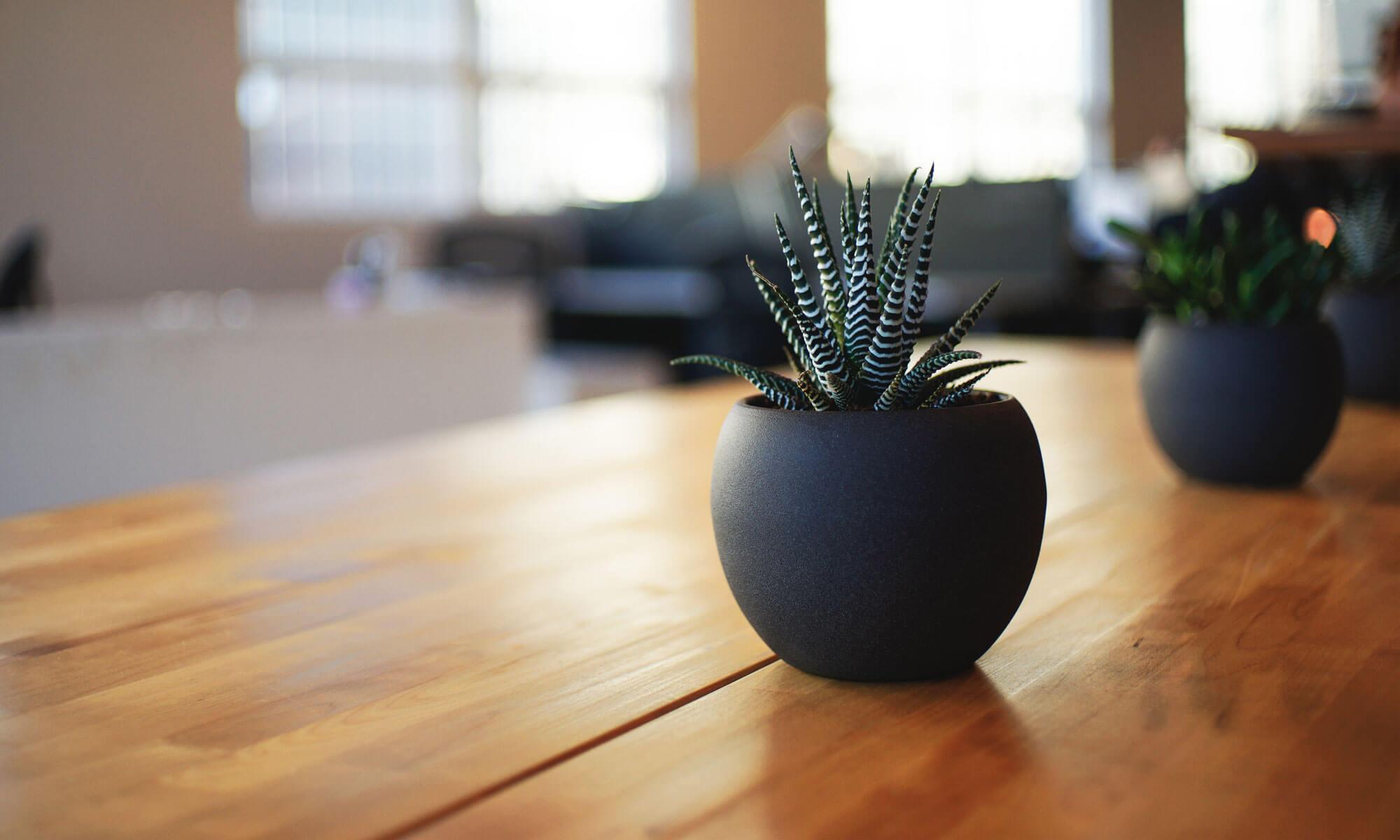
- Creative design featuring rolldorado elevates modern interior aesthetics beautifully
- Understanding the Composition and Materials of Rolldorado
- The Role of Adhesives and Application Techniques
- Design Styles Best Suited for Rolldorado
- Practical Considerations: Installation, Maintenance, and Longevity
- Rolldorado in Commercial Applications: Elevating Brands and Experiences
- Exploring Emerging Trends in Textured Wall Coverings
Creative design featuring rolldorado elevates modern interior aesthetics beautifully
The realm of interior design is constantly evolving, with new materials and aesthetics emerging to shape the spaces we inhabit. Among the exciting developments in recent years is the increasing popularity of textured wall coverings, and at the forefront of this trend lies rolldorado. This innovative approach to wall decoration isn't merely about adding color or pattern; it's about introducing depth, tactility, and a unique visual experience to any room. It represents a shift away from flat, conventional surfaces towards environments that engage multiple senses, fostering a feeling of warmth and sophistication.
The appeal of textured walls extends beyond mere aesthetics. They offer practical benefits like sound dampening, concealing minor imperfections in the wall itself, and even providing a degree of insulation. The versatility of these coverings allows them to seamlessly integrate into a wide range of design styles, from minimalist modern to rustic farmhouse. They are finding applications in both residential and commercial settings, adding a touch of elegance and personality to homes, offices, hotels, and retail spaces. The possibilities are truly expansive, limited only by imagination and the diverse array of materials and techniques available.
Understanding the Composition and Materials of Rolldorado
Rolldorado, broadly speaking, refers to a category of textured wall coverings that are typically applied as a rolled material – hence the name. However, the specific composition of these materials can vary considerably, directly influencing their appearance, durability, and suitability for different applications. Traditionally, many rolldorado products were based on paper or vinyl, offering a cost-effective and relatively easy-to-install solution. Modern iterations, however, increasingly incorporate natural fibers, such as bamboo, grasses, and even textiles, to create more sustainable and environmentally friendly options. These natural fiber versions often exhibit richer textures and subtle color variations, adding a unique organic quality to interiors.
The base materials aren't the only factor determining the character of a rolldorado covering. The application of various coatings, finishes, and embellishments plays a critical role. Some products feature embossed patterns, creating raised designs that catch the light and create shadow play. Others incorporate metallic foils or shimmering pigments for a touch of glamour. Still others undergo specialized treatments to enhance their resistance to moisture, abrasion, and fading. Selecting the right material and finish requires careful consideration of the room's intended use, the desired aesthetic, and the overall design scheme. This is where the expertise of an interior designer can be invaluable in navigating the many options available.
The Role of Adhesives and Application Techniques
The successful installation of rolldorado coverings hinges not only on the quality of the material itself but also on the proper selection and application of adhesives. Different materials require different types of adhesives to ensure a strong, lasting bond. Water-activated pastes are commonly used for paper-based products, while specialized vinyl adhesives are necessary for heavier, more durable coverings. The surface preparation is also crucial; walls must be clean, smooth, and properly primed to ensure optimal adhesion and prevent issues like bubbling or peeling. Professional installers often employ techniques like 'bookmatching,' which involves aligning patterns across multiple strips of material to create a seamless, continuous look.
Beyond traditional roll-on adhesives, advancements in application technology have introduced innovative methods. Some manufacturers offer pre-pasted rolldorado coverings, simplifying the installation process for DIY enthusiasts. Others utilize spray adhesives, which provide a more even and consistent coating. Regardless of the chosen method, it's imperative to follow the manufacturer's instructions carefully and to work in a well-ventilated area. Proper ventilation is necessary both for health and safety reasons and to ensure the adhesive cures properly, achieving maximum bond strength.
| Material Type | Typical Adhesive | Durability | Cost (Relative) |
|---|---|---|---|
| Paper-based | Water-activated paste | Low to Moderate | Low |
| Vinyl | Specialized Vinyl Adhesive | Moderate to High | Moderate |
| Natural Fiber (Bamboo/Grass) | Heavy-duty Paste or Modified Vinyl | Moderate to High | High |
| Textile | Fabric Adhesive/Spray Adhesive | Moderate | Moderate to High |
This table illustrates some common variations in materials and adhesives. Careful consideration of these factors will help in selecting the right rolldorado for any project.
Design Styles Best Suited for Rolldorado
The inherent texture and visual interest of rolldorado make it a particularly well-suited addition to a variety of interior design styles. In minimalist spaces, a subtly textured rolldorado can add a layer of complexity and warmth without overwhelming the clean lines and simple forms. Neutral tones and tightly woven patterns work particularly well in this context, providing a sophisticated backdrop for carefully curated furniture and artwork. In contrast, more maximalist designs can benefit from bolder, more dramatic rolldorado coverings, featuring vibrant colors, intricate patterns, and tactile surfaces. The key is to balance the texture with the other elements in the room, ensuring a cohesive and harmonious look.
The ability to mimic natural materials is another significant advantage of rolldorado. Coverings that resemble wood, stone, or woven fabrics can create a sense of rustic charm in farmhouse-style interiors. Similarly, grasscloth-inspired rolldorado can bring a touch of organic elegance to bohemian spaces. The versatility extends beyond mimicking natural elements; some products are designed to create abstract or geometric patterns, adding a contemporary edge to modern interiors. Ultimately, the best way to determine the suitability of rolldorado for a particular design style is to experiment with different materials, colors, and textures, considering the overall aesthetic and the mood you wish to create.
- Coastal Style: Light-colored, textured rolldorado mimicking natural fibers like seagrass or linen.
- Industrial Style: Rolldorado with a concrete or brick-like texture, creating an urban edge.
- Bohemian Style: Grasscloth or woven-texture rolldorado in warm, earthy tones.
- Scandinavian Style: Subtly textured, neutral-toned rolldorado to enhance warmth and coziness.
- Modern Farmhouse: Wood-look or subtly distressed rolldorado, providing rustic charm.
These are just a few examples demonstrating the compatibility of rolldorado with diverse design preferences. Its adaptability ensures that it can harmonize with nearly any aesthetic vision.
Practical Considerations: Installation, Maintenance, and Longevity
While rolldorado offers numerous aesthetic benefits, it's important to consider the practical aspects of installation, maintenance, and longevity. Professional installation is generally recommended, particularly for complex patterns or delicate materials. However, some DIY-friendly options are available for more experienced homeowners. Proper surface preparation, as mentioned earlier, is paramount to ensuring a successful and long-lasting installation. This includes filling any cracks or imperfections in the wall, sanding smooth rough patches, and applying a suitable primer. Following the manufacturer's instructions meticulously is crucial throughout the entire process.
Maintaining rolldorado coverings typically involves gentle cleaning with a soft cloth or vacuum cleaner. Avoid harsh chemicals or abrasive cleaners, as these can damage the surface. For stains, spot cleaning with a mild detergent and water is usually sufficient. The longevity of a rolldorado covering depends on several factors, including the quality of the material, the installation technique, and the level of wear and tear. Higher-quality materials, such as those made from natural fibers, tend to be more durable and resistant to damage. Protecting the walls from direct sunlight can also help prevent fading and discoloration. With proper care and maintenance, a well-installed rolldorado covering can provide years of beauty and enjoyment.
- Prepare the Surface: Ensure the wall is clean, smooth, and primed.
- Measure and Cut: Accurately measure the wall and cut the rolldorado to size, allowing for pattern matching.
- Apply Adhesive: Apply the appropriate adhesive evenly to the wall or the back of the rolldorado, following the manufacturer's instructions.
- Install the Covering: Carefully position the rolldorado on the wall, smoothing out any bubbles or wrinkles as you go.
- Trim and Finish: Trim any excess material and clean up any adhesive residue.
These steps outline the basic process of installing rolldorado. Precise execution is vital for achieving the desired aesthetic and ensuring the covering lasts.
Rolldorado in Commercial Applications: Elevating Brands and Experiences
The benefits of rolldorado aren't limited to residential spaces; they're increasingly being leveraged in commercial environments to enhance brand identity and create immersive experiences. Hotels, restaurants, retail stores, and office buildings are all utilizing textured wall coverings to create a more welcoming and memorable atmosphere. In hospitality, rolldorado can be used to create a sense of luxury and comfort in guest rooms and common areas. The choice of materials and textures can reflect the hotel's overall brand aesthetic, from sleek and modern to rustic and charming. In retail spaces, textured walls can serve as an eye-catching backdrop for merchandise, drawing customers' attention and creating a more engaging shopping experience.
Offices are also benefiting from the use of rolldorado, as it can help to improve acoustics, reduce noise levels, and create a more calming and productive work environment. The use of natural fiber coverings can also contribute to a healthier indoor air quality, enhancing employee well-being. Furthermore, rolldorado offers brands a unique opportunity to incorporate their logo or other design elements into the wall coverings, reinforcing their brand identity and creating a more cohesive visual experience. The investment in high-quality wall coverings can demonstrably enhance a company's image and positively impact customer and employee perceptions.
Exploring Emerging Trends in Textured Wall Coverings
The world of textured wall coverings, including variations of rolldorado, continues to innovate. A significant trend is the increasing emphasis on sustainability, with manufacturers developing coverings made from recycled materials and renewable resources. Another emerging trend is the integration of technology, with some products incorporating LED lighting or interactive elements. We’re also observing a move toward more tactile experiences. Designers are exploring materials that invite touch, adding another layer of sensory engagement to interior spaces. These advancements push the boundaries of what’s possible with wall coverings, transforming them from mere decorative elements into dynamic and interactive components of interior design.
Looking ahead, we can anticipate further integration of biophilic design principles, with rolldorado coverings that mimic natural textures and patterns to create a stronger connection to the outdoors. Also expected is the development of more customized options, allowing designers to create bespoke wall coverings tailored to specific project requirements. The future of textured walls is undoubtedly bright, offering exciting possibilities for creating interiors that are both aesthetically pleasing and functionally sophisticated. This movement reflects a broader shift in design away from sterile minimalism toward spaces that prioritize comfort, connection, and a sense of well-being.