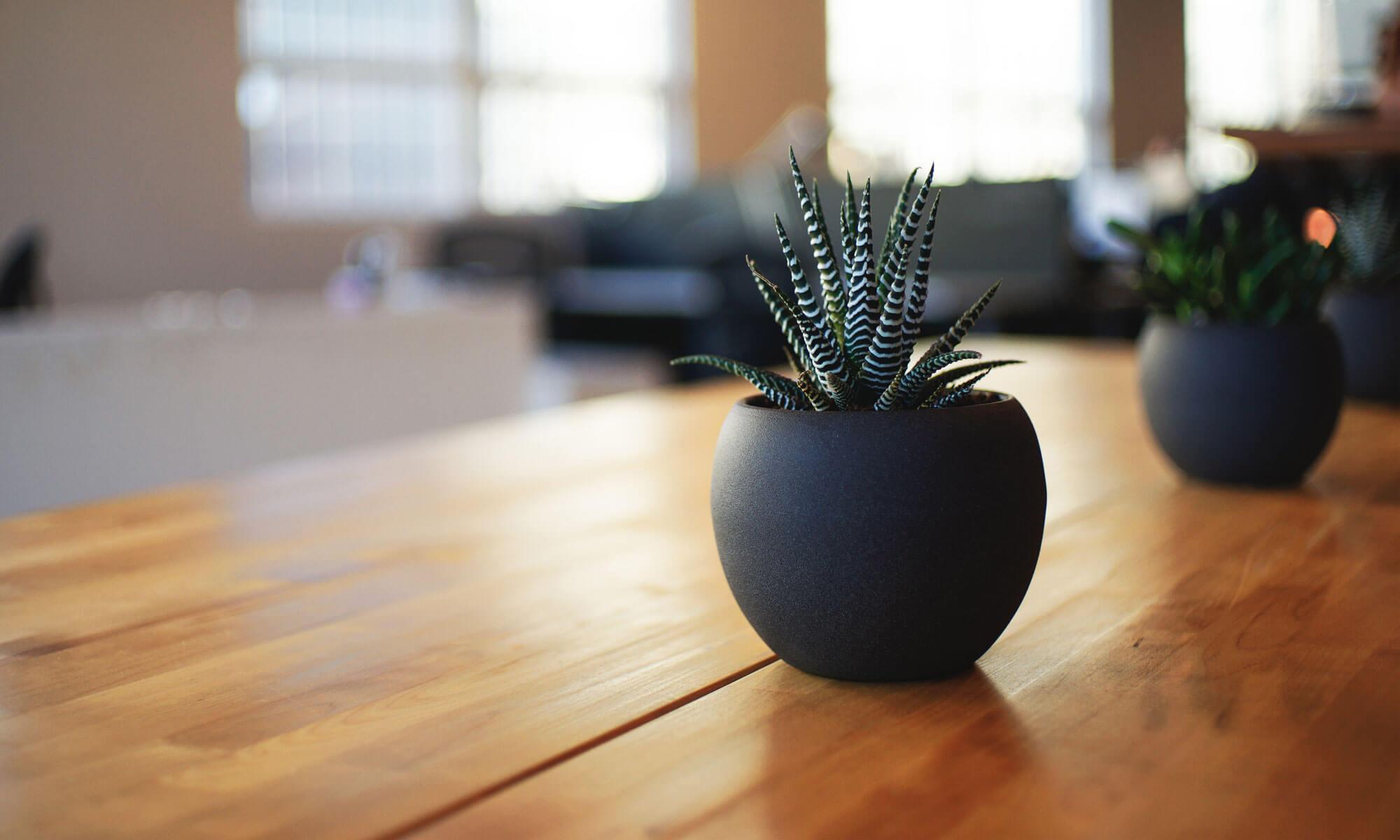
- Detailed planning concerning beluga1988.com unlocks stunning home possibilities
- Understanding Architectural Design Principles
- The Role of Lighting in Interior Design
- Exploring Different Interior Design Styles
- The Impact of Color Psychology on Interior Spaces
- Optimizing Space with Smart Storage Solutions
- DIY Storage Projects for Budget-Friendly Organization
- The Integration of Technology in Modern Homes
- Expanding on Landscape Integration and Outdoor Living
Detailed planning concerning beluga1988.com unlocks stunning home possibilities
Navigating the complexities of modern living often leads individuals to consider how they can best optimize their home environments. The pursuit of a comfortable, functional, and aesthetically pleasing living space is a universal desire, and understanding available resources is paramount. Many homeowners are exploring innovative solutions and digital platforms to aid in this journey, with resources like beluga1988.com gaining prominence as valuable tools for inspiration and planning. This exploration extends beyond simple decoration; it's about creating a home that truly reflects personal lifestyle and needs.
The process of designing or renovating a home can be daunting, but with careful planning and access to the right information, it can be a rewarding experience. Considerations range from initial conceptualization and budget allocation to selecting materials, hiring contractors, and overseeing project execution. Effective planning streamlines the process, minimizes potential setbacks, and ultimately contributes to a more satisfying outcome. Understanding current trends and innovative approaches can further enhance the outcome, allowing homeowners to create spaces that are both stylish and practical, tailored to their specific requirements.
Understanding Architectural Design Principles
At the core of any successful home project lies a solid understanding of architectural design principles. These principles aren’t merely aesthetic guidelines; they’re fundamental concepts that impact functionality, spatial perception, and overall comfort. Considerations like balance, proportion, rhythm, and emphasis play crucial roles in creating harmonious and inviting spaces. A well-balanced room, for example, feels settled and comfortable, while a lack of balance can create a sense of unease. Proportion relates to the size of objects in relation to each other and the overall space, ensuring visual harmony. Rhythm guides the eye through the space, creating a sense of movement and flow. Finally, emphasis draws attention to focal points, highlighting important features and adding visual interest. Integrating these principles thoughtfully is key to transforming a house into a home.
The Role of Lighting in Interior Design
Lighting is often underestimated yet profoundly impacts the atmosphere and functionality of a space. It's more than just illuminating a room; it’s about creating mood, highlighting features, and optimizing usability. Different types of lighting – ambient, task, and accent – serve distinct purposes. Ambient lighting provides overall illumination, task lighting focuses on specific areas for activities like reading or cooking, and accent lighting highlights artwork or architectural details. The interplay of these lighting types creates depth and dimension, transforming a flat space into an engaging environment. Layering lighting properly also creates a welcoming and functional atmosphere for all activities.
| Lighting Type | Purpose | Examples |
|---|---|---|
| Ambient | Overall Illumination | Chandeliers, recessed lighting, floor lamps |
| Task | Specific Area Focus | Desk lamps, under-cabinet lighting, reading lights |
| Accent | Highlight Features | Spotlights, wall sconces, picture lights |
Effective lighting design considers both the functional and aesthetic aspects, enhancing the overall living experience.
Exploring Different Interior Design Styles
The world of interior design offers a vast array of styles, each with its unique characteristics and appeal. From the sleek minimalism of Scandinavian design to the opulent grandeur of Victorian aesthetics, the possibilities are endless. Understanding these different styles is essential for defining a personal aesthetic and creating a cohesive look. Modern styles often emphasize clean lines, neutral color palettes, and functional furniture, while traditional styles incorporate ornate details, rich fabrics, and classic furnishings. Transitional styles blend elements from both modern and traditional design, creating a versatile and timeless look. Ultimately, the best style is the one that resonates with your individual preferences and lifestyle.
The Impact of Color Psychology on Interior Spaces
Color significantly influences mood, perception, and even behavior within a space. Color psychology explores these effects, providing insights into how different colors can be used to create specific atmospheres. Warm colors like red, orange, and yellow evoke feelings of energy, excitement, and warmth, making them suitable for social spaces like living rooms and dining areas. Cool colors like blue, green, and purple promote calmness, relaxation, and serenity, making them ideal for bedrooms and bathrooms. Neutral colors like white, gray, and beige provide a versatile backdrop that can be paired with bolder accents. Understanding the psychological impact of color empowers homeowners to create spaces that support their desired emotional and functional needs.
- Blue: Promotes calmness and relaxation.
- Green: Represents nature and tranquility.
- Yellow: Evokes happiness and optimism.
- Red: Stimulates energy and excitement.
Careful consideration of color palettes is fundamental to impactful interior design.
Optimizing Space with Smart Storage Solutions
In many homes, maximizing space is a primary concern. Clever storage solutions are vital for maintaining organization and creating a sense of spaciousness, even in smaller living areas. Utilizing vertical space with shelving units, maximizing under-bed storage, and incorporating multi-functional furniture are all effective strategies. Built-in storage seamlessly integrates into the architecture of the home, providing concealed storage without sacrificing valuable floor space. Decluttering regularly and implementing a system for organizing belongings is equally important. A well-organized home not only looks more appealing but also promotes a sense of calm and well-being. Considering how you use each room and tailoring storage solutions to those specific needs is crucial for success.
DIY Storage Projects for Budget-Friendly Organization
Creating effective storage solutions doesn't always require expensive renovations or professional assistance. Numerous DIY projects can transform unused spaces into functional storage areas. For example, repurposing old pallets into shelving units, creating under-shelf baskets for additional storage, or building custom drawer dividers can significantly improve organization. Utilizing wall-mounted organizers, such as pegboards or magnetic strips, can free up counter space and provide easy access to frequently used items. These DIY projects are not only cost-effective but also allow for personalization, reflecting individual style and preferences. With a little creativity and effort, homeowners can achieve a clutter-free and organized living space without breaking the bank.
- Assess your storage needs in each room.
- Identify unused spaces that can be repurposed.
- Gather materials and tools for your DIY project.
- Implement the project and enjoy the added storage!
Think creatively about utilizing space, and implementing DIY projects can be incredibly gratifying.
The Integration of Technology in Modern Homes
Technology is rapidly transforming the way we live, and the home is no exception. Smart home technology offers a range of benefits, from enhanced security and energy efficiency to increased convenience and comfort. Smart thermostats, lighting systems, and security cameras can be controlled remotely, providing peace of mind and reducing energy consumption. Voice assistants like Amazon Alexa or Google Home offer hands-free control of various devices, streamlining daily tasks. Entertainment systems have also evolved, with streaming services and integrated audio-visual setups providing immersive experiences. The integration of technology requires careful planning to ensure compatibility and seamless operation, but the benefits can significantly enhance the quality of life within the home. Exploring options like automated shading and appliance control can further enhance comfort and efficiency.
Expanding on Landscape Integration and Outdoor Living
The concept of “home” extends beyond the walls of a building and encompasses the surrounding landscape. Thoughtful landscape design can seamlessly integrate indoor and outdoor spaces, creating a cohesive and inviting environment. Designing outdoor living areas, such as patios, decks, or gardens, provides opportunities for relaxation, entertainment, and connection with nature. Incorporating features like outdoor kitchens, fireplaces, or water features enhances functionality and aesthetic appeal. Choosing plants that thrive in the local climate and require minimal maintenance ensures a sustainable and low-effort landscape. Consideration should be given to privacy, shade, and accessibility when planning outdoor spaces. A well-designed landscape not only enhances the beauty of the property but also contributes to overall well-being and a more enjoyable lifestyle. Resources like beluga1988.com can be a source of inspiration for landscaping ideas.
Ultimately, integrating the indoors with the outdoors creates a holistic living environment that promotes relaxation, recreation, and a deeper connection with nature. It’s an investment in quality of life that pays dividends in the form of increased enjoyment and property value. This seamless transition emphasizes a lifestyle centered around comfort and connects the homeowner to their immediate surroundings, transforming their house into a sanctuary.