- Exceptional design ideas with lola-jacks.uk for a modern living space
- Maximizing Space with Multifunctional Furniture
- The Role of Lighting in Space Perception
- Embracing Neutral Colour Palettes with Textured Accents
- The Power of Textiles in Interior Design
- Incorporating Biophilic Design Elements
- Creating an Indoor Oasis: Plant Selection and Care
- The Art of Curating Accessories and Artwork
- Sustainable and Ethical Design Choices for the Modern Home
Exceptional design ideas with lola-jacks.uk for a modern living space
Creating a comfortable and stylish living space is a pursuit many homeowners undertake, often involving careful consideration of design choices and sourcing unique pieces. In today’s market, finding retailers that offer both exceptional design and quality craftsmanship can be a challenge. However, platforms like lola-jacks.uk aim to bridge that gap, providing a curated selection of items to enhance any modern home. This article will delve into the various design ideas and inspirations that can be unlocked with thoughtfully chosen pieces, focusing on how to create a space that is both functional and aesthetically pleasing.
The key to a well-designed living space lies in the harmony between form and function. It’s not simply about filling a room with beautiful objects; it’s about creating an environment that supports your lifestyle and reflects your personal taste. This involves considering aspects like space planning, colour palettes, material selection, and ultimately, the sourcing of the right furniture and accessories. A cohesive design scheme doesn't necessarily require expensive renovations; sometimes, it simply requires a strategic approach to styling and a commitment to finding pieces that resonate with your vision. Exploring online retailers and design resources allows for a broader range of options and can spark inspiration for transforming your home.
Maximizing Space with Multifunctional Furniture
In many modern homes, space is at a premium. Therefore, selecting furniture that serves multiple purposes is a cornerstone of efficient interior design. Ottomans with hidden storage, sofa beds for accommodating guests, and dining tables that extend to larger sizes for gatherings are all examples of multifunctional furniture pieces that can significantly optimize space utilization. The beauty of adaptability is particularly important in smaller apartments or houses where every square foot counts. Choosing pieces with clean lines and minimalist designs can also create a sense of spaciousness, avoiding clutter and visual bulk. It's important to consider the flow of traffic within the room when selecting furniture, ensuring there’s ample space to move around comfortably. Think vertically as well – shelving units that reach the ceiling can provide substantial storage without taking up valuable floor space. Investing in quality, durable furniture that can adapt to changing needs is a smart long-term investment.
The Role of Lighting in Space Perception
Lighting plays a crucial role in how we perceive space. Well-placed lighting can make a room feel larger and more inviting, while poorly considered lighting can make it feel cramped and unwelcoming. Layered lighting is key – combine ambient lighting (general room illumination), task lighting (focused light for specific activities like reading), and accent lighting (highlighting artwork or architectural features). Utilizing mirrors strategically can also amplify light and create the illusion of more space. Floor lamps and table lamps can add warmth and character to a room, while recessed lighting provides a clean, modern aesthetic. Natural light is, of course, the most desirable, so maximizing access to windows and choosing sheer curtains that allow light to filter through are important considerations. Dimmers are a fantastic addition, allowing you to adjust the mood and intensity of the light depending on the occasion.
| Furniture Piece | Multifunctional Benefit |
|---|---|
| Ottoman | Hidden Storage |
| Sofa Bed | Accommodates Guests |
| Extendable Dining Table | Adapts to Group Size |
| Storage Bed Frame | Under-bed Storage |
Bringing these elements together really empowers a homeowner to redefine their living space. The careful selection of furniture, combined with clever lighting techniques, can transform a small or awkwardly shaped room into a functional and stylish haven. Consider the room’s primary purpose when selecting furniture, and prioritize pieces that contribute to both aesthetics and functionality.
Embracing Neutral Colour Palettes with Textured Accents
Neutral colour palettes – shades of white, grey, beige, and cream – are incredibly versatile and provide a calming backdrop for any living space. They allow you to introduce pops of colour through accessories and artwork, making it easy to update the look of a room without undertaking major renovations. However, a purely neutral scheme can sometimes feel bland, which is where textured accents come into play. Incorporating natural materials like wood, linen, wool, and rattan adds depth and visual interest. Think woven baskets, knitted throws, textured cushions, and wooden furniture. Layering different textures creates a tactile experience and adds a sense of cosiness. The use of varying shades within the neutral palette also helps to prevent monotony – for example, pairing warm greys with cooler whites. This creates a sophisticated and inviting atmosphere.
The Power of Textiles in Interior Design
Textiles are an incredibly powerful tool for transforming a space. They can add colour, texture, pattern, and warmth, and can instantly change the mood of a room. Rugs anchor a space, define seating areas, and provide a soft underfoot feel. Curtains and blinds control light and privacy, and can also contribute to the overall aesthetic. Cushions and throws add comfort and personality to sofas and armchairs. Consider the different types of fabrics and their properties – linen is breathable and lightweight, wool is warm and insulating, and velvet is luxurious and opulent. Mixing different fabrics and patterns can create a dynamic and interesting look, but it’s important to maintain a sense of balance and cohesion. Don't be afraid to experiment with bold colours and patterns, but always consider the overall colour scheme of the room.
- Rugs define spaces and add comfort.
- Curtains control light and privacy.
- Cushions personalize furniture.
- Throws add warmth and texture.
- Wall hangings introduce artistic flair.
Selecting the right textiles is an essential element in crafting a relaxing and interesting interior. Combining textures, patterns, and colors carefully, a homeowner can transform a rather bland space into a cozy, inviting home.
Incorporating Biophilic Design Elements
Biophilic design, the practice of connecting people with nature, is gaining increasing popularity in interior design. This is based on the innate human connection to the natural world and the positive impact it has on our wellbeing. Incorporating natural elements into your home can reduce stress, improve mood, and boost creativity. This can be achieved in a number of ways, such as bringing in plants, using natural materials like wood and stone, maximizing natural light, and incorporating natural patterns and textures. Even simple touches like displaying artwork depicting nature scenes can have a positive effect. Plants not only add visual appeal but also purify the air and increase humidity. Consider creating a small indoor garden or incorporating a living wall. Using natural materials like wood and stone creates a sense of grounding and connection to the earth. Strategically placed mirrors can also reflect natural light, creating a brighter and more inviting space.
Creating an Indoor Oasis: Plant Selection and Care
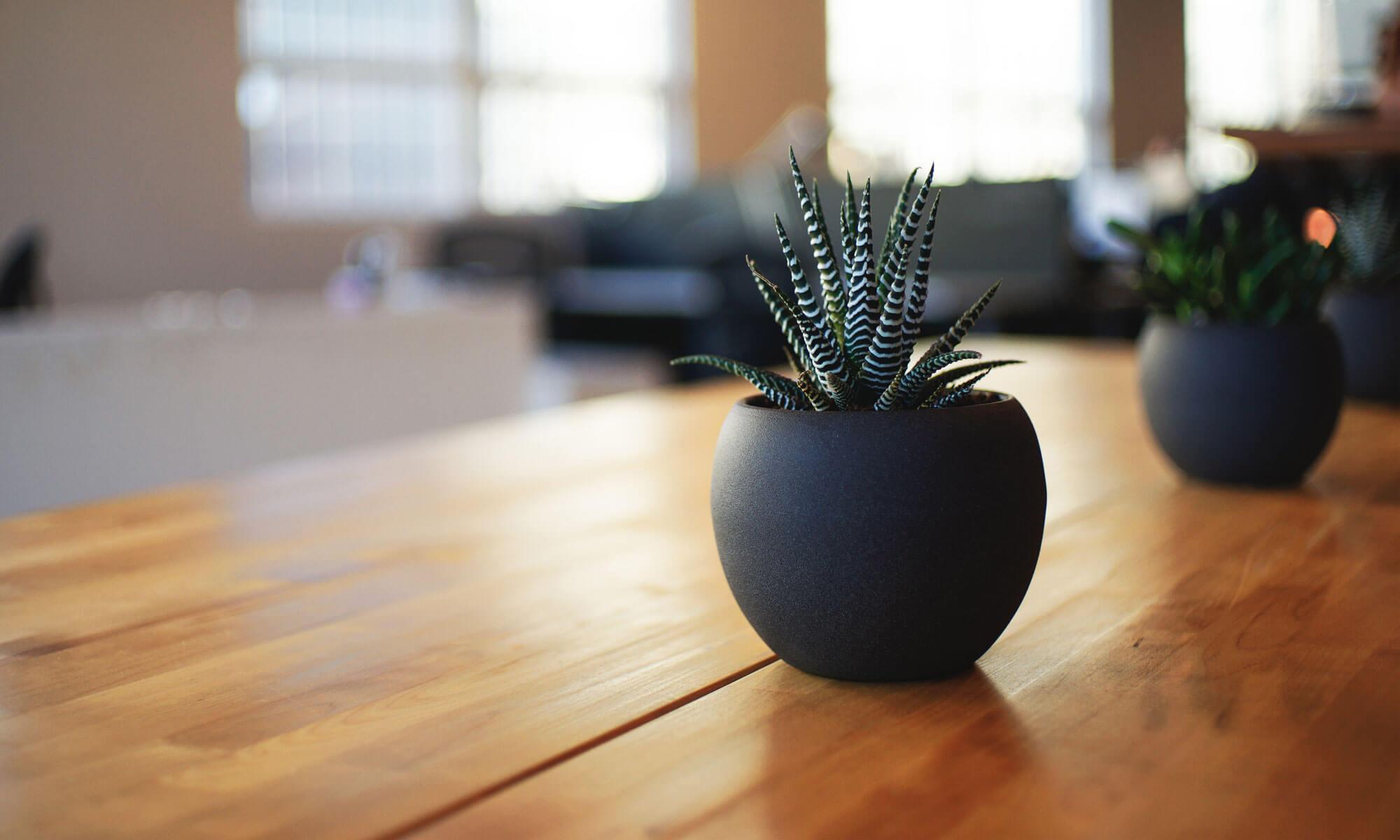
When it comes to incorporating plants into your home, there are numerous options to choose from, each with its own unique characteristics and care requirements. Low-maintenance plants like snake plants, ZZ plants, and spider plants are ideal for beginners, while more demanding plants like orchids and ferns require a bit more attention. Consider the amount of light available in each room when selecting plants, as different species have different light requirements. Succulents and cacti are well-suited to bright, sunny locations, while ferns and peace lilies thrive in shady areas. Proper watering is essential for plant health, so be sure to research the specific needs of each plant. Regularly cleaning the leaves of plants helps them to absorb more light and stay healthy. Don't be afraid to experiment with different types of plants and arrangements to create a lush and vibrant indoor oasis.
- Choose plants appropriate for your light conditions.
- Water plants according to their specific needs.
- Regularly clean plant leaves.
- Repot plants as they grow.
- Fertilize plants during the growing season.
Bring the outdoors in with living plants, and transform your space into a relaxing, inviting retreat. Combine this with natural materials and layering to give depth to your home.
The Art of Curating Accessories and Artwork
Accessories and artwork are the finishing touches that add personality and character to a living space. They are the opportunities to showcase your individual style and create a home that truly reflects who you are. However, it’s important to curate these items carefully to avoid a cluttered or overwhelming look. Start with a few key pieces that you love and build from there. Consider the colour scheme and overall aesthetic of the room when selecting accessories. Mixing different textures and materials adds visual interest. Artwork doesn't have to be expensive – prints, photographs, and even personal creations can add a unique touch. Arranging accessories in groupings of odd numbers is often more visually appealing than symmetrical arrangements. Don’t be afraid to rotate accessories and artwork seasonally to keep things fresh and interesting.
Personal expression is key to a comforting home, and accessories and artwork are perfect for that. Curated pieces tell your story, and offer a warming addition to a home. Taking time to refine the details can greatly improve the overall feel of a space.
Sustainable and Ethical Design Choices for the Modern Home
Increasingly, homeowners are prioritizing sustainability and ethical considerations when making design choices. This involves selecting furniture and accessories made from eco-friendly materials, supporting brands that prioritize fair labor practices, and minimizing waste. Look for furniture made from sustainably sourced wood, recycled materials, or organic fabrics. Vintage and antique furniture are excellent sustainable options, as they give existing items a new lease on life. Choosing energy-efficient lighting and appliances can also reduce your environmental impact. Support local artisans and craftspeople, and consider purchasing handmade items. Reducing consumption and embracing a minimalist lifestyle can also contribute to a more sustainable home. A mindful approach to design allows you to create a beautiful and comfortable living space while minimizing your impact on the planet.
Embracing more eco-conscious options doesn’t mean sacrificing aesthetics. A focus on sustainability can often lead to wonderfully unique and charming spaces, that seamlessly integrate into a modern lifestyle. There are more and more companies dedicated to ethical creation, meaning you don’t have to compromise your values to get the look you desire.